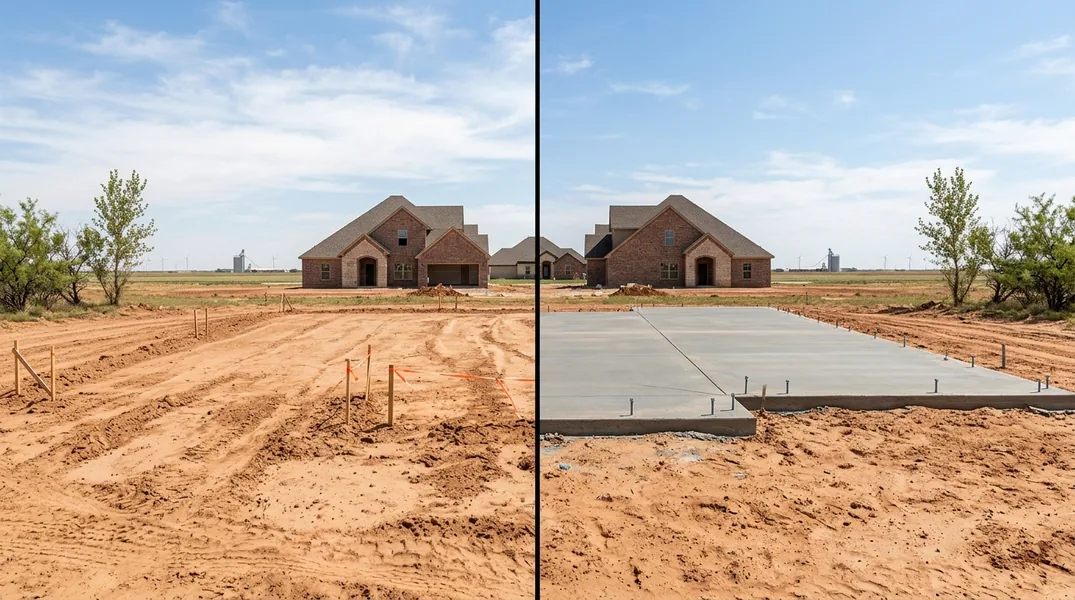
Understanding New Construction Concrete Slabs in Lubbock
Purchasing a new home in Lubbock is an exciting milestone, but it also requires careful attention to details that will affect your home's longevity and value. One of the most critical components of any new home is the foundation slab, yet many homebuyers overlook this crucial element during the closing process. The concrete slab beneath your home is not just a surface to build upon; it is the structural foundation that will support your entire house for decades to come.
New construction concrete slabs in Lubbock are typically poured using specific engineering standards designed to handle the local soil conditions and climate. The Texas panhandle experiences significant temperature fluctuations and occasional drought conditions, which can affect how concrete performs over time. Understanding the basics of how your slab was constructed, what standards it meets, and what protections you have as a new homeowner will empower you to make informed decisions and catch potential issues before they become expensive problems.
What Happens During a Builder Foundation Inspection
A builder foundation inspection is one of the most important steps in the new home buying process, yet many homebuyers skip it or rush through it without understanding what inspectors are actually looking for. During this inspection, a qualified professional examines the concrete slab for signs of settling, cracking, moisture intrusion, and proper slope for drainage. The inspector will look for evidence of structural movement, check that the slab is level, and verify that it was poured according to the specifications in your home's building plans.
The inspection process typically involves visual examination of the slab's surface, checking for cracks that might indicate settling or movement, and assessing how well water drains away from the foundation. Inspectors also look at the perimeter of the slab to ensure proper clearance and that the foundation meets local building codes. In Lubbock, inspectors pay particular attention to how the slab was prepared for the local soil conditions, since the area's clay soils can shift seasonally. Small hairline cracks are often normal and not cause for concern, but larger cracks, uneven settling, or signs of water damage warrant further investigation and may require the builder to make corrections before you take possession of your home.
New Home Foundation Warranty: What's Actually Covered
Most builders in Texas offer a new home foundation warranty, but the coverage varies significantly depending on the builder and the specific warranty terms. A typical new home foundation warranty covers defects in materials and workmanship for a specified period, often ranging from one to ten years depending on the type of defect. It is crucial to understand exactly what your warranty covers, what it excludes, and what your responsibilities are as a homeowner to maintain the warranty's validity.
Most warranties cover structural defects, such as significant settling or cracking that affects the integrity of the foundation. However, many warranties exclude normal settlement, minor cracking (often defined as cracks under 1/8 inch wide), and damage caused by environmental factors or homeowner negligence. Some warranties also require you to maintain proper drainage around the foundation and may exclude damage from plumbing leaks or improper grading. Before closing, request a copy of your foundation warranty and have it reviewed carefully. Ask your builder's representative to explain any exclusions or limitations, and get clarification in writing about what constitutes a warranty claim. Understanding these details now can save you thousands of dollars in unexpected repairs later.
Red Flags to Watch for Before Closing Day
Certain warning signs on a new construction concrete slab should prompt you to delay closing until the issues are resolved. Diagonal cracks running from corners of the foundation, horizontal cracks along the perimeter, or cracks wider than 1/4 inch may indicate serious settling or structural movement. Uneven floors, doors or windows that do not close properly, or visible gaps between the slab and the walls can all signal foundation problems. Moisture stains, efflorescence (white chalky deposits on the concrete), or musty odors suggest water intrusion issues that need to be addressed before you move in.
Another red flag is poor drainage around the foundation. Walk around your new home and observe how water flows during or after rain. If water pools near the foundation or slopes toward the house rather than away from it, this can lead to serious moisture problems and foundation damage over time. Additionally, check that the builder has properly installed moisture barriers and that the slab appears to have been sealed appropriately. Do not be pressured to close on a date that does not allow adequate time for a thorough inspection and for any necessary corrections. Your real estate agent and a professional inspector are valuable allies in this process; their expertise can help identify issues that untrained eyes might miss.
Maintaining Your New Concrete Slab: Long-Term Protection
Once you close on your new home, proper maintenance of your concrete slab is essential to preserve its integrity and extend its lifespan. Maintaining proper drainage around your foundation is the single most important step you can take. Ensure that gutters and downspouts direct water at least four to six feet away from the foundation, and maintain proper grading so that water slopes away from the house. During heavy rains or if you notice water pooling near the foundation, address the drainage issue promptly to prevent water from seeping under or around the slab.
Seal your concrete slab every two to three years to protect it from moisture, UV damage, and freeze-thaw cycles. A quality concrete sealer acts as a barrier against water intrusion and helps prevent cracks from developing or worsening. If you notice new cracks developing, monitor them and consider having a professional evaluate whether Concrete Repair and Resurfacing is necessary. Small cracks can be filled with concrete caulk to prevent water from entering, but larger cracks may require professional repair. If you are planning to add outdoor features like Concrete Driveways or Concrete Patios in the future, ensure that any new concrete work is properly connected to your foundation slab and that drainage patterns remain intact. For professional guidance on maintaining your slab or addressing any concerns, contact Lubbock Concrete Pros at (806) 581-0763 to discuss your specific situation.
When to Call a Professional: Taking Action After Closing
Even with a thorough pre-closing inspection, foundation issues can sometimes emerge after you have moved into your new home. If you notice new cracks, signs of settlement, or drainage problems within the first year, contact your builder immediately to file a warranty claim. Document any issues with photographs and detailed notes about when you first noticed the problem. If the builder is unresponsive or disputes your claim, you may need to hire an independent foundation engineer to assess the damage and provide a professional report.
For ongoing maintenance, sealing, or minor repairs to your concrete slab, Lubbock Concrete Pros specializes in helping homeowners protect their concrete investments. Whether you need advice on drainage solutions, concrete sealing, or repair work, our team has the expertise to help. Contact us at (806) 581-0763 or visit our website at https://lubbock-concrete-pros.com to request a free estimate for any concrete work you are considering. Taking a proactive approach to foundation maintenance now will help ensure that your new home remains structurally sound and that your investment is protected for years to come.
Looking for a professional concrete contractor in Lubbock? Lubbock Concrete Pros responds fast for all your concrete needs.
Get a Free QuoteOur services: Concrete Driveways · Concrete Patios · Stamped & Decorative Concrete