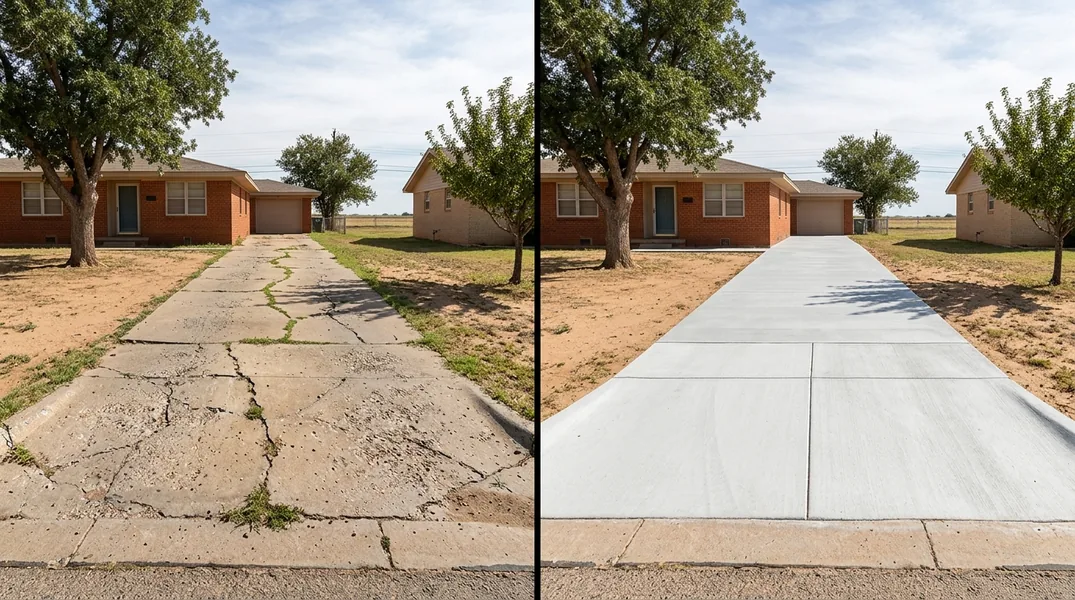
Why Timing Matters for Concrete Pouring in West Texas
If you are planning a Concrete Driveways project in Lubbock, you might think that concrete can be poured any time of year. The reality is far different. The climate in West Texas presents unique challenges that directly impact how your concrete cures, hardens, and performs over time. Temperature fluctuations, wind speeds, and humidity levels all play critical roles in the success of your concrete project.
Pouring concrete at the wrong time of year can lead to premature cracking, uneven curing, surface scaling, and structural weakness that may not become apparent until months or even years after installation. By understanding the seasonal conditions in Lubbock, you can make an informed decision about when to schedule your project and avoid costly mistakes. The investment you make in timing your concrete pour correctly will pay dividends in durability and longevity.
Summer Heat and Concrete Curing: Why It's Risky
Summer in West Texas is intense. Temperatures regularly exceed 95 degrees Fahrenheit, and on particularly hot days, the thermometer can climb well above 100 degrees. While you might assume that extra heat speeds up concrete curing, the opposite is often true. Rapid evaporation during hot weather causes the concrete to cure too quickly on the surface while the interior remains softer, creating internal stress and leading to cracking that can compromise the structural integrity of your project.
Concrete curing wind and heat work together to accelerate moisture loss from the concrete surface. In Lubbock, afternoon winds can exceed 20 miles per hour during the summer months, intensifying evaporation rates. This combination makes it extremely difficult to achieve proper hydration throughout the concrete mass, which is essential for maximum strength development. Additionally, the intense UV radiation during summer can cause surface discoloration and weaken the top layer of concrete, particularly problematic for decorative finishes.
If you must pour concrete during summer, early morning pours followed by aggressive curing methods such as water misting and protective coverings become necessary. However, these additional precautions add cost and complexity to your project, making summer a less than ideal season for most homeowners.
Winter Challenges: Cold Temperatures and Delayed Curing
While summer heat presents obvious challenges, winter temperatures in Lubbock bring their own set of problems. When temperatures drop below 50 degrees Fahrenheit, concrete curing slows dramatically. Below 40 degrees, the hydration process that gives concrete its strength essentially stalls. If temperatures dip below freezing before the concrete reaches sufficient strength, freeze-thaw cycles can cause permanent damage, including spalling, scaling, and internal deterioration.
Winter months in West Texas can be unpredictable. A warm day might be followed by a sudden cold snap, or freezing temperatures at night can occur even in early spring or late fall. This variability makes winter an unreliable season for concrete pouring. Concrete contractors may need to use heated curing blankets, heated water, and accelerators to keep the concrete warm enough to cure properly, all of which increase project costs significantly. For homeowners considering Concrete Patios or other outdoor concrete work, winter timing rarely makes economic sense.
Fall: The Ideal Concrete Pouring Season in Lubbock
Fall represents the optimal concrete pouring season in West Texas. From September through November, temperatures in Lubbock gradually decline from summer highs to moderate ranges, typically between 60 and 85 degrees Fahrenheit. This temperature range is considered ideal by concrete professionals because it allows for controlled, even curing without the extreme stresses imposed by rapid temperature changes or excessive heat.
During fall, humidity levels are generally more stable than in summer, reducing the rapid evaporation that causes surface cracking. Wind speeds, while still present in West Texas, tend to be less aggressive than summer gusts, creating more favorable curing conditions overall. The concrete pouring season in Lubbock peaks during these autumn months because contractors can achieve consistent results with minimal special curing measures, reducing your project costs and ensuring superior long-term performance.
Additionally, fall scheduling offers practical advantages. Contractors are often less booked than during spring and early summer, potentially offering better availability and potentially more competitive pricing. Your concrete will have time to fully cure and harden before the arrival of winter freeze-thaw cycles, ensuring maximum durability. If you are planning a major project like Stamped & Decorative Concrete, fall provides the best conditions for achieving the finish quality you desire.
Spring: A Secondary Option for Concrete Work
Spring in West Texas can work as a secondary option for concrete pouring, though it is not ideal. As temperatures warm from winter lows, concrete curing accelerates into a more productive range. March through May typically offers temperatures between 60 and 80 degrees Fahrenheit, which is acceptable for concrete work. However, spring weather in West Texas is highly variable and unpredictable, with potential for sudden temperature swings, occasional late freezes, and increased wind activity.
The main disadvantage of spring pouring is the risk of unexpected cold snaps. A warm day in April can be followed by freezing temperatures at night, potentially damaging concrete that has not yet reached sufficient strength. Additionally, spring often brings higher wind speeds and occasional severe weather events, both of which can negatively impact concrete curing. If you must schedule a project in spring, work with an experienced lubbock concrete contractor who can monitor weather forecasts and implement appropriate protective measures. Spring works better for Concrete Repair & Resurfacing projects than for new installations, since existing concrete provides a more stable substrate.
Planning Your Concrete Project: When to Contact Lubbock Concrete Pros
Understanding when to pour concrete is only part of the equation. Working with experienced professionals who understand West Texas conditions is equally important. Lubbock Concrete Pros has years of experience scheduling and executing concrete projects in our local climate, and we know exactly how concrete curing wind and heat affect outcomes in our region. Whether you are planning Concrete Driveways, patios, or decorative concrete work, timing your project correctly ensures the best results and protects your investment.
If you are considering a concrete project in Lubbock or the surrounding areas, we recommend reaching out for a free estimate and professional consultation. Our team can assess your specific project, discuss the best timing for your situation, and provide realistic expectations about costs and timelines. Call us at (806) 581-0763 to speak with a member of our team, or visit our website at https://lubbock-concrete-pros.com to learn more about our services and schedule your consultation today. Fall is approaching, and now is the perfect time to plan your concrete project for optimal results.
Looking for a professional concrete contractor in Lubbock? Lubbock Concrete Pros responds fast for all your concrete needs.
Get a Free QuoteOur services: Concrete Driveways · Concrete Patios · Stamped & Decorative Concrete